Which metal is the hardest on Earth?
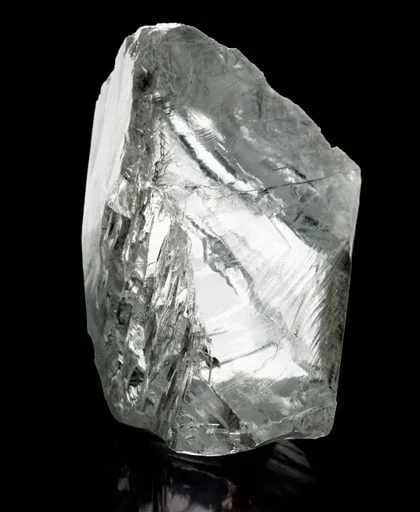
The hardest natural material on Earth is the **diamond**. Although often associated with jewelry, diamond is a crystalline form of carbon whose exceptional hardness stems from the extremely strong bonding structure between its atoms. On the Mohs scale, diamond occupies level 10, being the maximum standard of hardness known to man.
Which steel is the strongest?
Determining the strongest steel depends on the application, but in engineering terms, **High-Strength Structural Steel (HSS)** is the leader. This material stands out for a tensile strength significantly higher than that of conventional carbon steels.
Within this category, we find HSLA (low alloy), quenched and tempered, and fine-grain steels. In advanced engineering applications, ultra-high-strength steels are used, designed to withstand exceptional loads with maximum safety.
Which steel is the most flexible?
**Austenitic stainless steel** (especially alloys 304 and 316) is the most flexible thanks to its high nickel content and crystalline structure. This ductility allows it to be bent, stretched, and molded with ease without losing its properties.
It is the ideal material for industrial piping, automotive components, and kitchen utensils where both formability and corrosion resistance are required.
Which steel best resists corrosion?
**Stainless steel** is the undisputed king of durability. Standard austenitic grades like 304 and 316 offer excellent protection in most environments. However, for extreme conditions, **Duplex steel (such as 2205)** is superior, combining austenite and ferrite for maximum resistance against pitting and cracking.
Water resistance and marine environments
For applications in constant contact with salt water, **Marine Grade Stainless Steel (Grade 316)** is the standard choice for its resistance to salinity. In even more critical cases, the **940L** grade offers exceptional performance against chemicals and highly aggressive marine environments.
Curiosities: The extremes of the periodic table
- The Heaviest: **Osmium** is the densest metal (22.59 g/cm³), surpassing even lead and gold.
- The Lightest: **Lithium** is so low in density (0.534 g/cm³) that it could float on water if it weren't so reactive.
- The Cheapest: **Aluminum** is the most affordable due to its abundance in the Earth's crust and the efficiency of modern processing.
- The Hardest to Obtain: Metals like **technetium, rhenium, and iridium** are extremely rare, either due to their instability or their scarce natural presence.
At **Rejillas Tarraco**, we understand that choosing the right metal is essential for the safety and durability of any project. Whether looking for the strength of structural steel or the flexibility of stainless, our commitment has been to industrial quality since 1984.